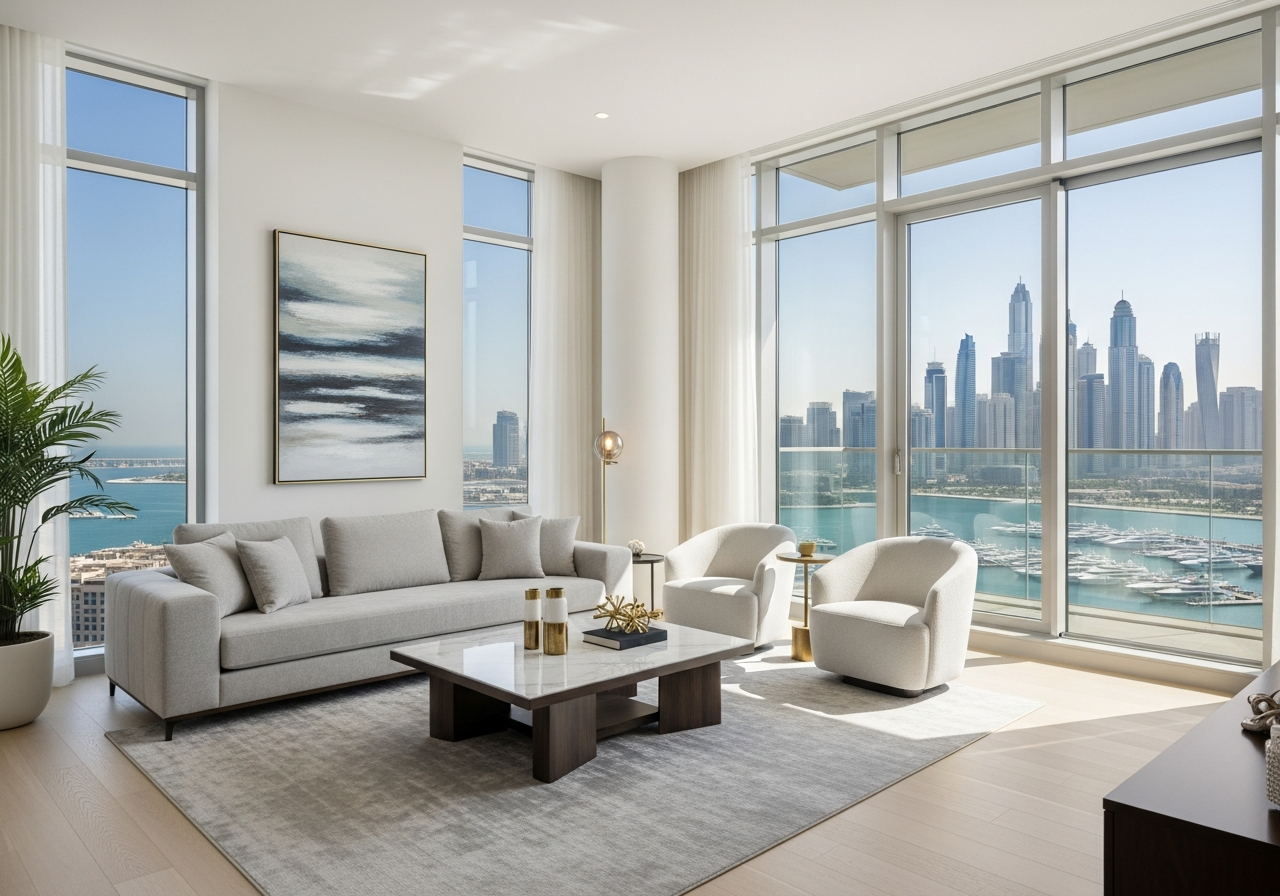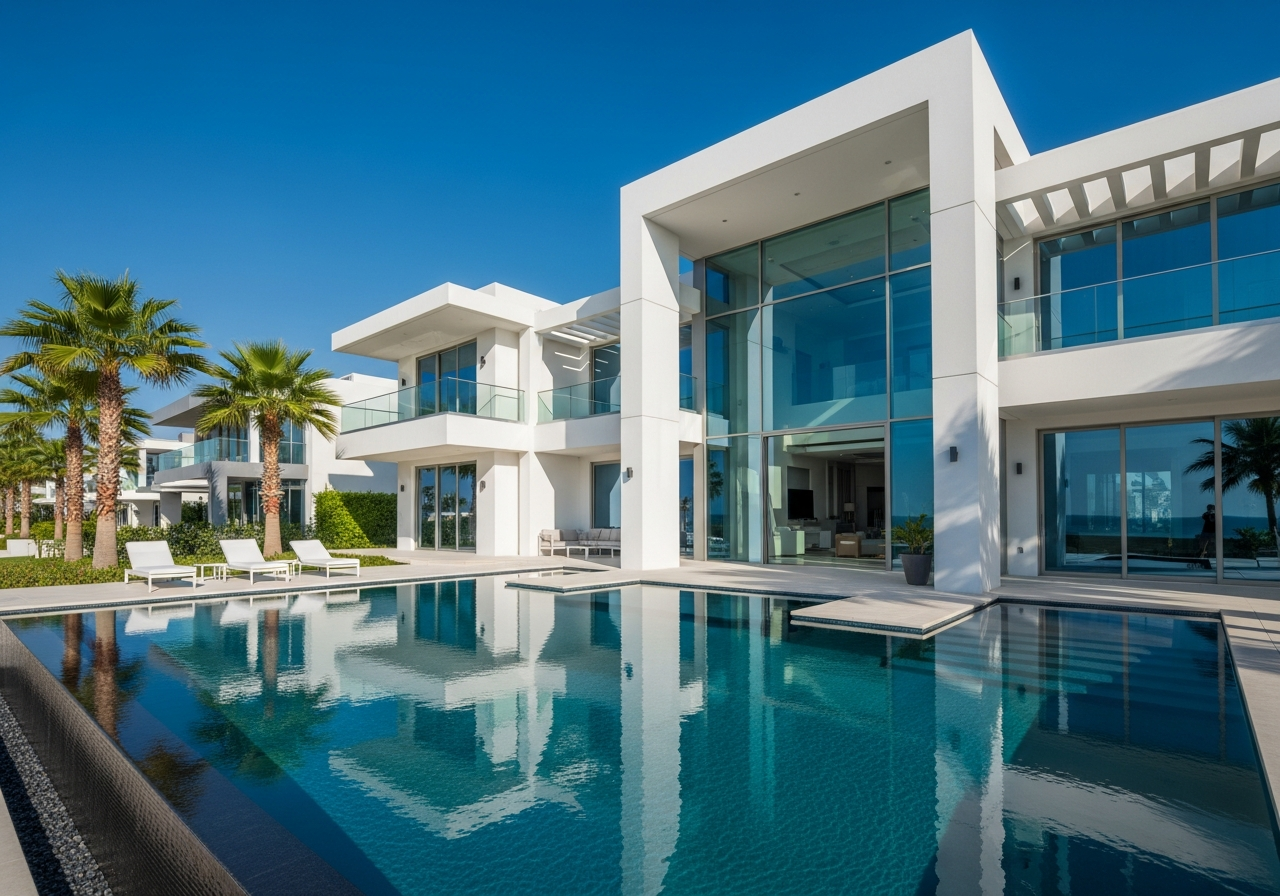
Dubai’s dynamic real estate market attracts buyers from around the globe, thanks to its tax-free investments, luxurious developments, and vibrant lifestyle. If you’re considering buying property in Dubai, you likely have questions about processes, costs, and regulations. Here’s a detailed guide to help you navigate Dubai's real estate market confidently.
Why Buy Real Estate in Dubai?
Dubai has positioned itself as a global hub for real estate investment. Not only does it offer excellent returns on investment (ROI), but its policies are geared toward making property ownership straightforward for foreign buyers.
The city offers a diverse range of properties, from affordable apartments in areas like Jumeirah Village Circle (JVC) to ultra-luxurious villas in Emirates Hills. Moreover, Dubai provides a tax-free environment with no property tax or capital gains tax, making it even more attractive to international investors.
In addition to financial benefits, Dubai's infrastructure, safety, and connectivity make it an ideal place to invest in property for personal use or rental purposes. Areas like Downtown Dubai and Dubai Marina are particularly popular among international buyers.
The Legal Process for Buying Property in Dubai
The property purchase process is relatively straightforward in Dubai, even for foreign investors. However, being informed can save you from unexpected hurdles. Here’s a step-by-step overview:
1. **Find the Right Property**: Choose a property that suits your goals, whether it's short-term rental income, long-term appreciation, or personal residence. Areas like Palm Jumeirah and Business Bay cater to both luxury buyers and investors.
2. **Sales Agreement**: Once you’ve chosen a property, both buyer and seller sign a Memorandum of Understanding (MOU). The buyer is usually required to pay a 10% deposit.
3. **No Objection Certificate (NOC)**: The developer issues an NOC to ensure all fees linked to the property are cleared.
4. **Ownership Transfer**: This final stage takes place at the Dubai Land Department (DLD). Expect to pay a 4% transfer fee (of the property’s price).
- Foreign buyers can only purchase in freehold areas such as Dubai Marina, Arabian Ranches, or Jumeirah Lakes Towers.*
Common Costs Associated with Buying a Property
Aside from the property purchase price, there are additional costs you should budget for when buying real estate in Dubai:
- **Transfer Fee**: 4% of the property’s purchase price, payable to the Dubai Land Department.
- **Real Estate Agent Fee**: Typically 2% of the property value.
- **Developer Fees**: Some developers like Emaar or Nakheel may charge administrative fees during the transfer.
- **Mortgage Registration Fee**: If taking out a mortgage, a 0.25% fee (based on the loan amount) is required.
- **Valuation Fee**: If you're financing, banks will charge a valuation fee, which typically ranges between AED 2,500-4,000.
Ensure you also account for ongoing costs like service charges and maintenance when calculating your property's ROI.
Popular Areas for Property Investment in Dubai
Dubai is home to some of the most iconic neighborhoods in the world—each appealing to different buyer preferences and budgets. Here are some standout areas:
- **Downtown Dubai**: Known for the Burj Khalifa and Dubai Mall, this area is a prime choice for those seeking luxury apartments with city views. Apartment prices here average AED 2.1M for 1-bedroom units.
- **Dubai Marina**: Popular among expats, this waterfront neighborhood offers a mix of mid-range and luxury apartments. Expect to pay around AED 1.8M for a 1-bedroom apartment.
- **Palm Jumeirah**: An iconic manmade island featuring luxury villas, beachfront apartments, and unparalleled ocean views. Villas on the Palm start around AED 15M.
- **Arabian Ranches 2**: A family-friendly community that provides spacious townhouses and villas, with prices starting at AED 3.2M.
Investors often prioritize areas with high rental yields, such as JVC, Sports City, or properties near Expo City Dubai, where ROI can range between 6–9%.
Understanding Freehold vs. Leasehold Properties in Dubai
Foreign buyers need to be aware of the key difference between freehold and leasehold properties in Dubai:
- **Freehold Properties**: These are properties located within designated freehold areas where foreign investors can own both the property and the land indefinitely. Popular freehold areas include City Walk, Bluewaters Island, and Damac Hills.
- **Leasehold Properties**: In leasehold areas, buyers acquire property rights for up to 99 years but do not own the land. Examples of leasehold locations include Al Barsha and Mirdif.
Most international buyers prefer freehold properties for added ownership control and high resale value. However, leasehold homes may be more affordable and well-suited for those looking for short-to-medium-term investment opportunities.